RFID and NFC are often used interchangeably, but they describe different operating ranges and use cases. Choosing the wrong one can make a simple access-control project unnecessarily expensive — or leave a tap-to-share card unable to communicate with a phone.
The short version
NFC is a subset of high-frequency RFID designed for close-range communication, typically within a few centimetres. It is the technology behind tap-to-pay, tap-to-share business cards and many phone-based access systems. RFID is a broader family that includes low-frequency (LF), high-frequency (HF) and ultra-high-frequency (UHF) systems, with read ranges from a few centimetres to several metres.
Common frequencies
- 125 kHz (LF): Short read range, robust around metal and water. Common for hotel keys, access fobs and animal tags.
- 13.56 MHz (HF/NFC): Close-range, phone-compatible. Used for NFC business cards, loyalty taps and some access systems.
- 860–960 MHz (UHF): Longer read range, often used for inventory, logistics and asset tracking.
Questions that decide the choice
What will read the card? If a smartphone needs to read it, NFC/HF is usually the right starting point. If a fixed gate reader needs to read many tags at once, UHF may be better. If the card must work in a hotel door lock, the lock's frequency is the requirement.
How close does the user need to be? NFC is intentionally short-range. That is a feature for payment and access, but a limitation for inventory.
Does the card need to store data? Some chips are read-only; others have writable memory. Define whether you need a fixed ID, a URL, a balance or a changing record.
What is the environment? Metal and water affect radio performance. A card that works on a desk may behave differently on a metal shelf or a wet bottle.
Printing and finishing
RFID and NFC cards can be printed like standard PVC cards, but the chip and antenna must be protected during lamination and punching. Share the artwork and the encoding requirements early so the card structure can be confirmed before printing.
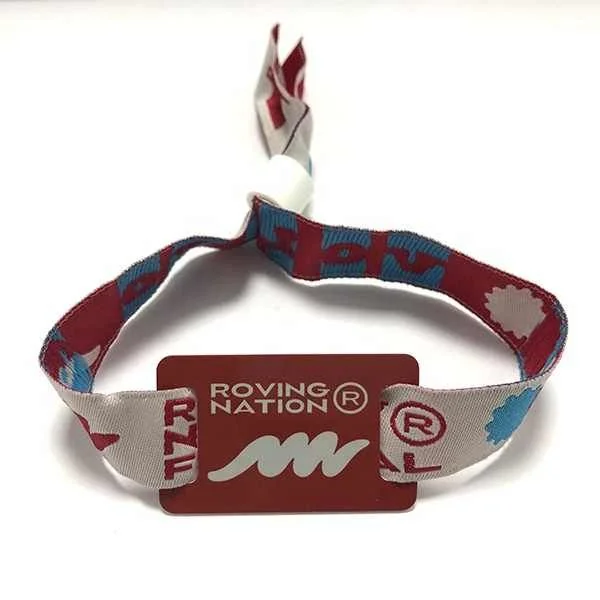
CHD-TECH produces PVC, RFID and NFC cards, wristbands and tags in Qingdao. Send us the reader, the use case and the quantity, and we will recommend a chip and card construction that fits.