Packaging has three jobs: protect the product, present the brand and fit the production budget. When one of those jobs is ignored, the result is usually either damaged goods or a beautiful box that costs too much. This guide walks through the decisions that matter most.
1. Start with protection, not decoration
Before choosing a finish or a printing method, define what the product needs to survive. A glass bottle needs cushioning and a rigid outer wall. A soft textile needs moisture protection and a clean unboxing experience. A subscription box needs a structure that can be packed quickly and shipped without collapsing.
Write down the likely transit route, the number of handling points and the weight of the packed product. Those three facts will eliminate packaging structures that look good but fail in practice.
2. Choose the material around the product and the channel
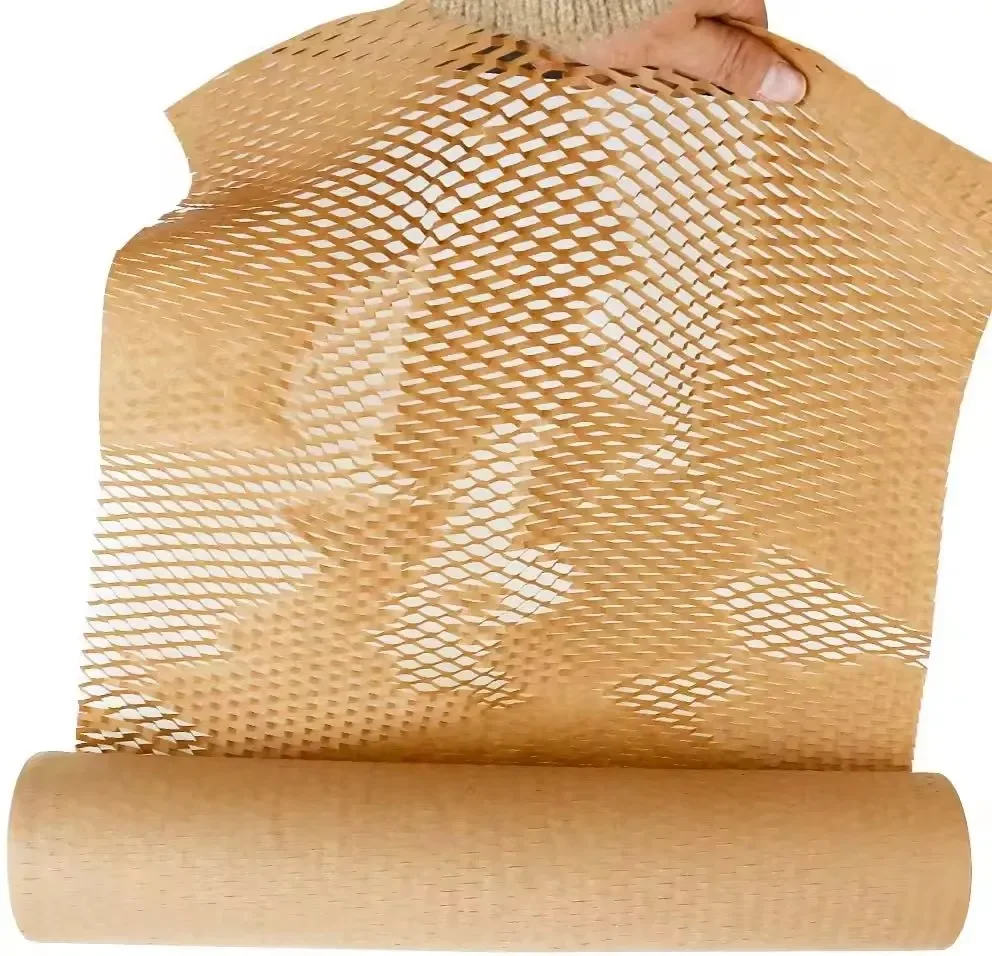
Paper, corrugated board, rigid board, kraft paper and recycled fibres each behave differently. For retail shelves, a rigid box with a magnetic closure may be appropriate. For e-commerce, a corrugated mailer or a paper-based cushioning system is usually more practical. For food, check grease resistance and food-contact compliance before anything else.
If sustainability is a priority, ask for the recycled content, the certification (FSC for paper), the adhesive type and whether the whole pack can be recycled in the destination market. A single material is usually easier to recycle than a mixed structure.
3. Match the printing and finishing to the brand
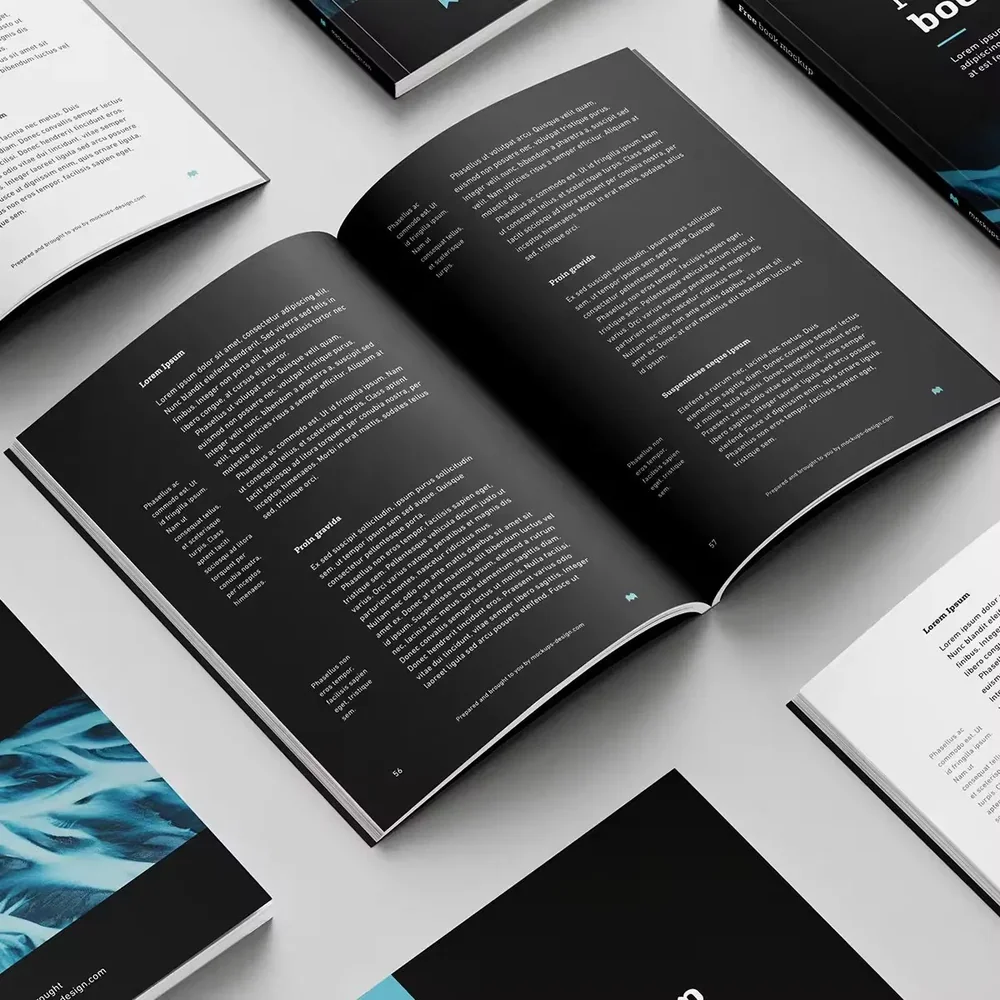
Printing methods change both the look and the minimum order quantity. Digital printing is economical for short runs and variable data. Offset printing becomes more efficient at higher volumes. Foil stamping, spot UV, embossing and soft-touch lamination add perceived value, but each one adds a production step and a cost.
Choose one hero finish rather than five small ones. A well-executed matte finish with a single foil logo often looks more premium than a box covered in effects.
4. Confirm the commercial details early
- MOQ: What is the minimum quantity per size and per material?
- Tooling: Are there die, plate or sample charges?
- Lead time: What is the production time after artwork approval?
- Shipping: Is the packaging shipped flat or assembled? What is the carton size?
- Sampling: Can you approve a physical sample before mass production?
5. Test before you commit
A packaging sample should be packed, dropped, stacked and opened. Ask a colleague who has never seen the pack to open it and find the product. If the unboxing feels awkward, the pack is not finished.
At CHD-TECH, we produce custom packaging, labels and protective materials in Qingdao. If you are not sure which structure fits your product, send us the product dimensions, weight, destination and target quantity, and we will recommend a practical starting point.